Access to new and exciting lesson plans that have been pulled from our vault of best-ever 2-year-old games. All tested on 2-year-olds and given the double thumbs up (or squeals of delight for those 2’s who haven’t mastered thumbs up yet!) New lesson plans delivered every 30 days for 6 months 12-14 games each month […]
But today, more and more children cannot attend, follow age-appropriate directions and who are lacking age-appropriate self-regulation and self-control more than those we had seen in 2019. It is frustrating for the children, It is frustrating for their teachers and their parents.
In addition, children are weaker and more sedentary than they have ever been.
This private event has been contracted by Bon Secours Family Centers. If this is interesting please contact us to schedule your training. Smartfun@pophopandrock.com
Teachers today tell us repeatedly that they are seeing more and more children who can’t attend, follow age-appropriate directions, and who are lacking self-regulation and self-control. And since the pandemic, it seems like these challenges have skyrocketed.
These skills are vital to classroom success. Without the ability to calm the body and mind, reading and writing are not available. We have to be able to sit still and focus to learn. So when self-regulation and self-control are hard, it is frustrating not just for teachers and parents, but for kids too. And it makes learning harder than it needs to be.
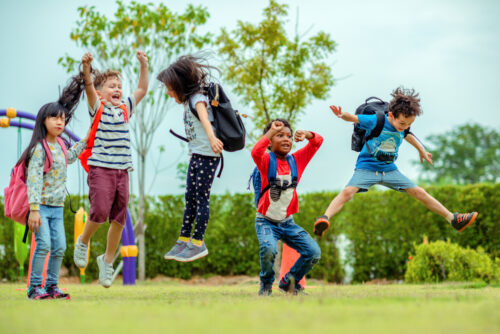
Could there be a connection to big body physical play? You betcha!
Stumped on how to sneak in some big body play here and there? Our timeline is a critical thinking tool to help you design your day with the maximum results. If you are a visual learner, this might be the ticket! What do you get? An example timeline 5 activities to work into the school […]
This quick webinar will dive into this important perceptual motor skill and give you key takeaways including: What body awareness looks like when it is not well-developed What it looks like when it is well developed How it impacts the classroom experience How it impacts friendship development Games and activities to strengthen body awareness […]
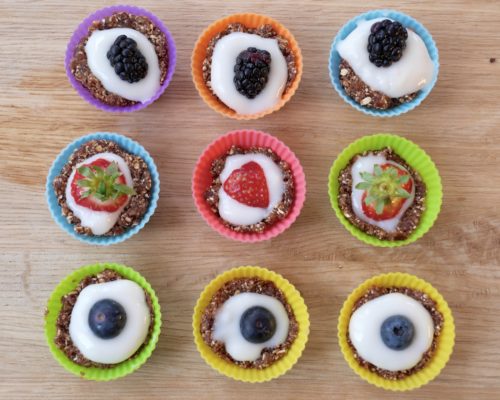
This “cooking” class is designed to broaden palates while secretly practicing math, science and a little bit of social studies as we measure, pour, count, taste and talk about ingredients. Whether it is chocolate avocado pudding or apple sandwiches, our recipes have been vetted by hundreds of young tasters who have given double thumbs up.
* Snack and Roll is open to groups IV and up. Must be potty trained.
Thursdays, 9/14-11/16
Pickup at 1:00 on the playground unless there is inclement weather, then pick up at the porte cochere.
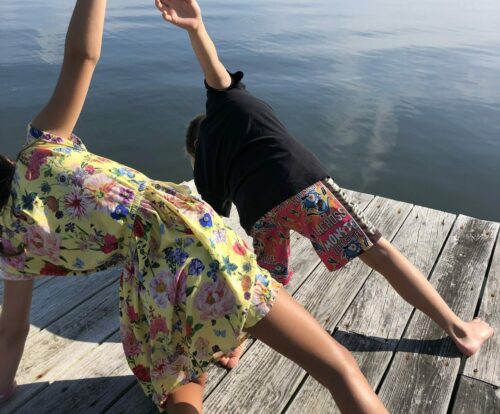
Yoga is a great way to incorporate big body physical play into the day without taking up a great deal of space. In this quick lesson, you will gain access to two of our favorite ways to incorporate yoga into our play: Yoga Bingo Partner Yoga Including a lesson plan for each, the Pivot to […]
It is movement and big body play that is going to help kids sit still, listen, attend, and succeed. It is big body play that is going to help them behave, self-regulate and find self-control. That is why we developed the Pivot to Play™ Movement Challenge — to help you find ways to build movement […]
How can it be that movement helps kids sit still? It seems like a contradiction, right? Especially when I tell you that I do NOT mean running them to get their ya-yas out so they can sit still and behave.
What can you do during the school day to help them get active? How can you be sure you are doing enough? This workbook and audit will help you hone in on where the weaknesses lie (and with whom) and how to analyze and then leverage your schedule to fold in more activity.
Virtual Professional Development, Workbook, Audit, Games
Communication is key to all aspects of the learning trajectory. If it isn’t strong and well functioning, then the classroom experience is harder than it needs to be.